
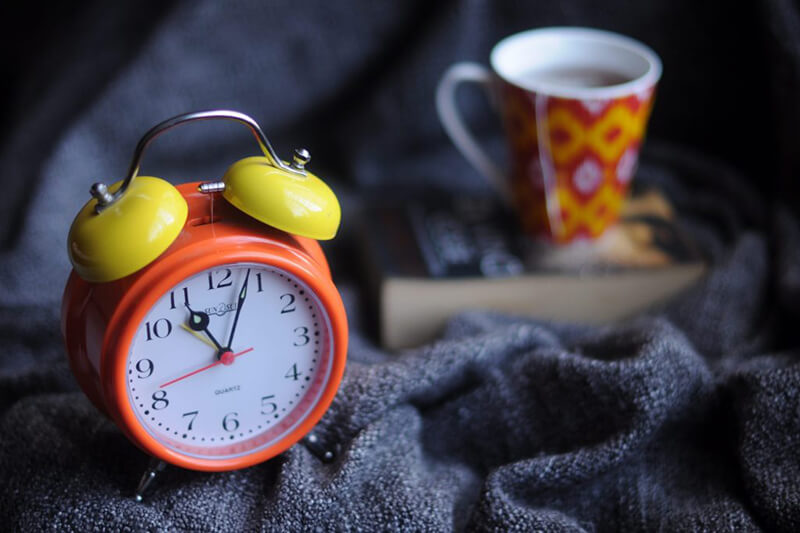
Why You Shouldn’t Press The Snooze button
FEBRUARY 20, 2019
But this small act of rebellion could actually cost you more than a few minutes of your morning routine. By hitting the snooze button, you’re interfering with your body’s natural wake mechanisms, which actually sets you up for more exhaustion during the day ahead.
Sleep expert Adam Tishman explains that:
“When you let yourself fall back asleep, you’re tricking your body into thinking it’s going back into sleep mode. When your alarm goes off again, your body and brain are confused, resulting in that foggy feeling called sleep inertia. Sleep inertia can stay with you throughout the day, making you actually feel more tired throughout the day.”Why snoozing can be bad for you in the long run:
You’re throwing off your internal clock by getting up at 7:00 one day and 7:30 the next. Since you’re not waking up at the same time every day, your body doesn’t know when to start feeling tired, making you more likely to push your bedtime later and further deprive yourself of good quality sleep.
What you should do instead:
Try setting your alarm for the time you HAVE to get up and then actually get up when it goes off, every day at the same time. Eventually, this consistency may help you feel naturally sleepy at the end of your day, so you’ll feel compelled to go to bed when your body needs to, and then wake up without the need for an alarm.